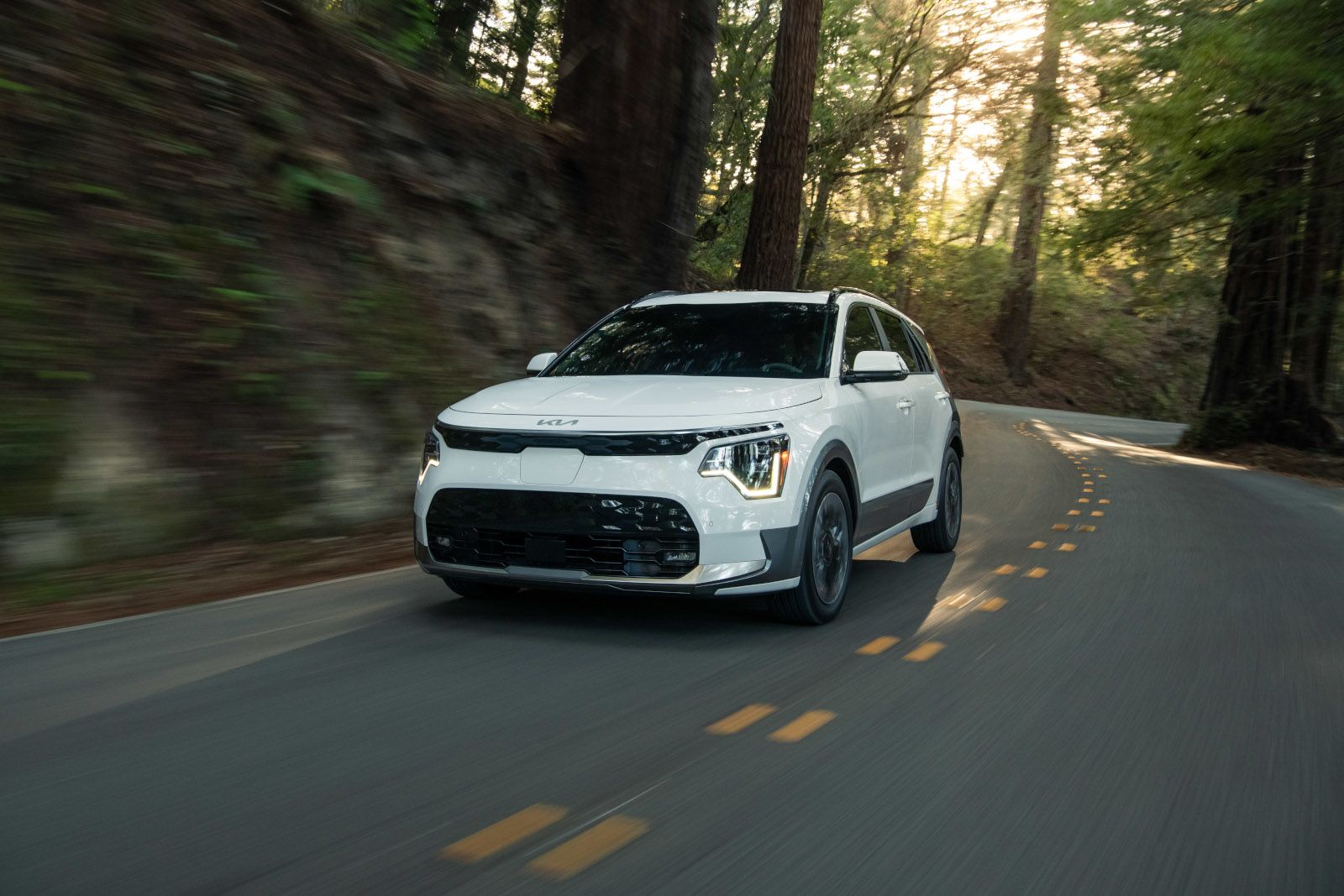
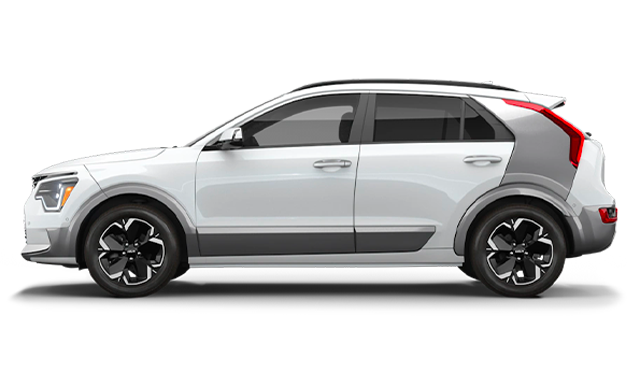
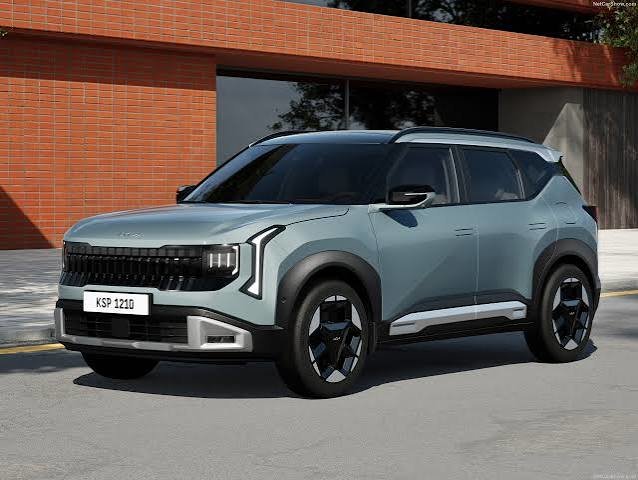
Adding an EV to a two-car household is one of the most practical ways to make the transition — and the 2026 Kia Niro EV is built around exactly the kind of daily driving that second vehicle slot usually covers. Short to medium daily distances, mostly predictable routes, and a preference for a compact, easy-to-park body style. If that description fits the way your second car gets used in Richmond Hill, this article works through the key questions you should be asking before you commit.
The answers here come directly from the 2026 Niro EV specifications. No generalizations, no filler.
How Far Does It Go?
The 2026 Niro EV delivers an estimated all-electric range of 407 km from its 64.8 kWh lithium-ion polymer battery. For a second vehicle that handles commuting, errands, and school runs — the kind of driving that rarely exceeds 80 to 100 km per day — 407 km means most drivers are charging roughly twice a week, not every night.
The Niro EV is powered by a permanent magnet AC synchronous motor producing 201 hp and 188 lb-ft of torque, driving the front wheels. There's no AWD option in this lineup, but front-wheel drive on a 64.8 kWh platform handles Ontario winters competently with the right tires.
What Does the Typical Daily Routine Look Like?
For a two-car household, the Niro EV typically takes on the shorter-distance role: commuting, grocery runs, city driving, and local errands. The first vehicle handles longer trips or towing duties. That division of labour is exactly where the Niro EV performs best.
A realistic daily profile for a Richmond Hill driver:
- Richmond Hill to downtown Toronto and back: approx. 80–100 km round trip — covered with range to spare
- School runs and local errands: minimal drain
- Weekly grocery and lifestyle trips within York Region: well within a single charge cycle
The combined consumption rating is 2.1 Le/100km on the city/highway combined cycle — a figure that translates directly into low operating costs compared to either a gasoline car or even a hybrid.
How Do You Charge It?
Level 2 AC charging from 10 to 100 percent takes approximately 6 hours and 5 minutes at 11 kW — so plugging in overnight on a home Level 2 charger starts the next morning with a full battery. The Niro EV also supports Level 3 DC fast charging, reaching 10 to 80 percent in approximately 43 minutes at a 350 kW station, or about 45 minutes at 100 kW.
For a two-car household, Level 2 home charging is the practical foundation. Public fast charging covers road trips and days when the battery runs lower than expected.
What Trim Levels Are Available?
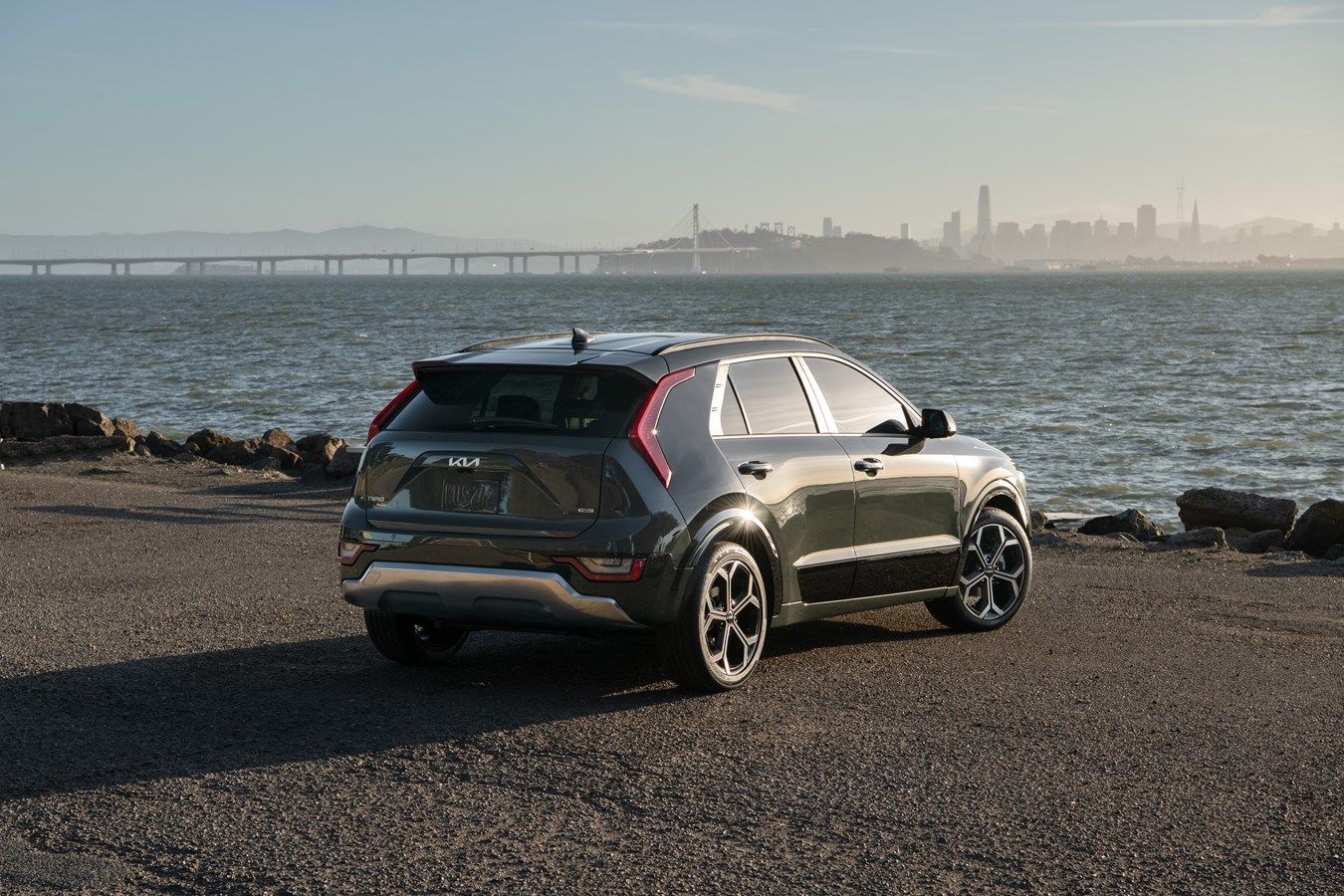
The 2026 Niro EV is available in three trim levels: Wind, Wind+, and Wave.
Wind sets a strong baseline with a 10.25-inch multimedia interface, navigation, Kia Connect with OTA updates, remote start, automatic climate control, heated front seats, Smart Cruise Control, HDA, Forward Collision Avoidance Assist with Junction Turning, Blind Spot Collision Avoidance Assist, and Rear Cross Traffic Avoidance Assist. Full LED headlights, LED fog lights, and a power sunroof are also standard at Wind.
Wind+ adds parking collision avoidance assist, the advanced FCA suite (Junction Turning plus Junction Crossing, Lane Change Oncoming, and Lane Change Side), a heat pump for improved cold-weather efficiency, a power liftgate, wireless phone charger, heated steering wheel, synthetic leather seats, power driver seat with lumbar support, and rear parking sensors.
Wave is the top trim, adding Vehicle-to-Load (V2L) capability, Advanced Highway Driving Assist, Remote Smart Parking Assist, Harman Kardon premium audio, Digital Key, a Heads-Up Display, auto-dimming rearview mirror, heated rear seats, ventilated front seats, air-cooled front seats, driver's seat memory function, and roof rails.
Quick Trim Overview:
|
Trim
|
Key Additions
|
|
Wind
|
Full LED lights, power sunroof, HDA, FCA JT, Smart Cruise
|
|
Wind+
|
Heat pump, V2L-ready parking, advanced FCA, wireless charger, synthetic leather
|
|
Wave
|
V2L, Harman Kardon, HUD, Digital Key, Advanced HDA, RSPA, ventilated seats
|
Is This a Practical Fit for a Two-Car Household?
The self-assessment comes down to three questions:
- Does your daily second-vehicle use stay mostly under 200 km? If yes, the Niro EV's 407 km range gives you multiple days before needing a charge. Occasional longer trips are covered with DC fast charging stops.
- Do you have a place to charge at home or at work? Level 2 home charging is the simplest setup. Even a standard 120V outlet will restore useful range overnight for a moderate daily commute, though Level 2 is far more practical.
- Is your other vehicle already handling longer trips, AWD duty, and towing? If yes, the Niro EV doesn't need to be all things — it handles its lane of daily use efficiently, and your existing vehicle covers what it can't.
For most two-car households in Richmond Hill where the second vehicle covers predictable daily distances, the Niro EV fits without lifestyle compromise.
See It at Plaza Kia
The 2026 Kia Niro EV is available now. Stop by Plaza Kia in Richmond Hill to walk through the trim levels, ask your charging and range questions to our team, and take the one that fits your daily routine for a drive.
To learn more about the 2026 Kia Niro EV, visit Kia.ca