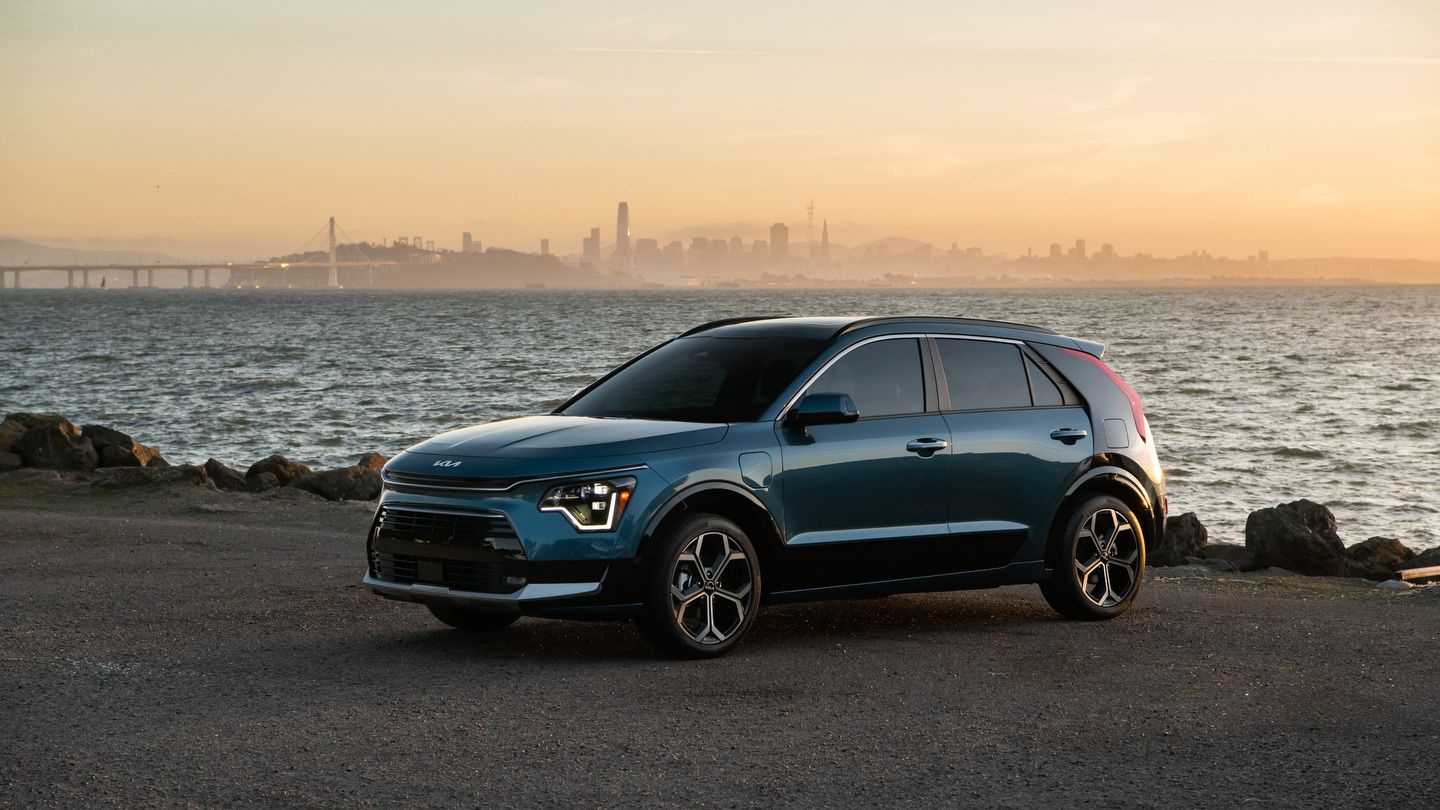
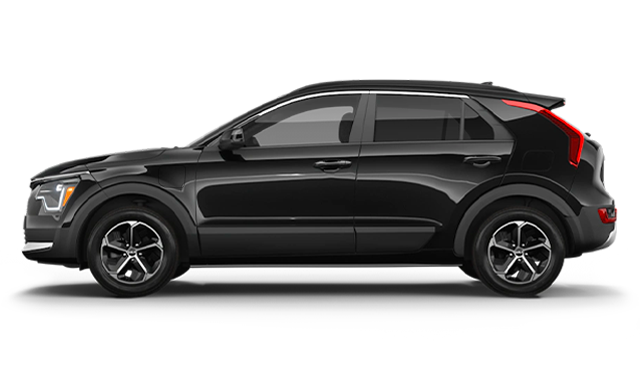
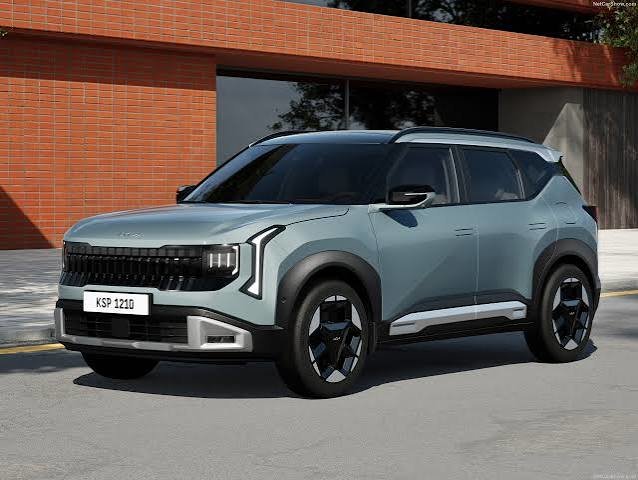
The 2026 Kia Niro PHEV combines the flexibility of a plug-in hybrid powertrain with the practicality of a compact crossover. One of the most common questions drivers ask centres on its electric-only range and how it fits into daily driving routines. Understanding how far the Niro PHEV can travel on battery power alone helps you maximize efficiency and plan charging around your lifestyle.
This guide answers the key questions about the Niro PHEV's all-electric capabilities, from real-world range expectations to charging strategies. Whether you're new to plug-in hybrids or comparing electrified options within the Kia lineup, you'll find clear, practical answers to help you make an informed decision.
How Far Can the 2026 Niro PHEV Travel on Electric Power Alone?
The 2026 Kia Niro PHEV delivers up to 55 km of zero-emissions, all-electric driving. This range allows many drivers to complete daily commutes, school runs, and local errands without using gasoline. Once the battery depletes, the 1.6L GDI engine smoothly takes over, extending total driving range to up to 781 km on a single tank of gas.
Electric-only range depends on driving conditions, temperature, and usage patterns. Gentle acceleration, moderate speeds, and mild weather help maximize battery efficiency. The Niro PHEV's permanent magnet synchronous motor works with the gasoline engine to deliver 180 hp combined performance, ensuring smooth transitions between electric and hybrid modes.
What Happens When the Electric Range Runs Out?
When the battery charge depletes, the Niro PHEV automatically switches to hybrid mode. The 1.6L GDI engine produces 195 lb-ft of torque, working alongside the electric motor to maintain performance without interruption. You'll continue driving without needing to stop or recharge immediately.
The vehicle's regenerative braking system captures energy during deceleration and braking, partially replenishing the battery while driving. This feature helps extend efficiency even after the initial electric range is exhausted. Front-wheel drive architecture keeps the powertrain simple and weight-efficient, contributing to overall fuel economy.
How Does Electric Range Compare Across the Kia PHEV Lineup?
|
Model
|
Electric Range
|
Combined Horsepower
|
|
Niro PHEV
|
55 km
|
180 hp
|
|
Sorento PHEV
|
55 km
|
268 hp
|
|
Sportage PHEV
|
53 km
|
268 hp
|
The Niro PHEV matches the Sorento PHEV's electric-only range while offering a more compact package. The Sorento PHEV provides additional seating capacity for six passengers and higher combined horsepower, suited for families needing three-row capability. The Sportage PHEV includes standard all-wheel drive and similar power output to the Sorento PHEV, positioned between the Niro and Sorento in size.
Choosing between these models depends on passenger needs and cargo requirements. The Niro PHEV's front-wheel drive layout and compact dimensions make it ideal for urban driving and efficient daily use. All three models share the same 1.6L GDI engine architecture, ensuring consistent hybrid technology across the lineup.
Can I Drive the Niro PHEV Without Ever Charging It?
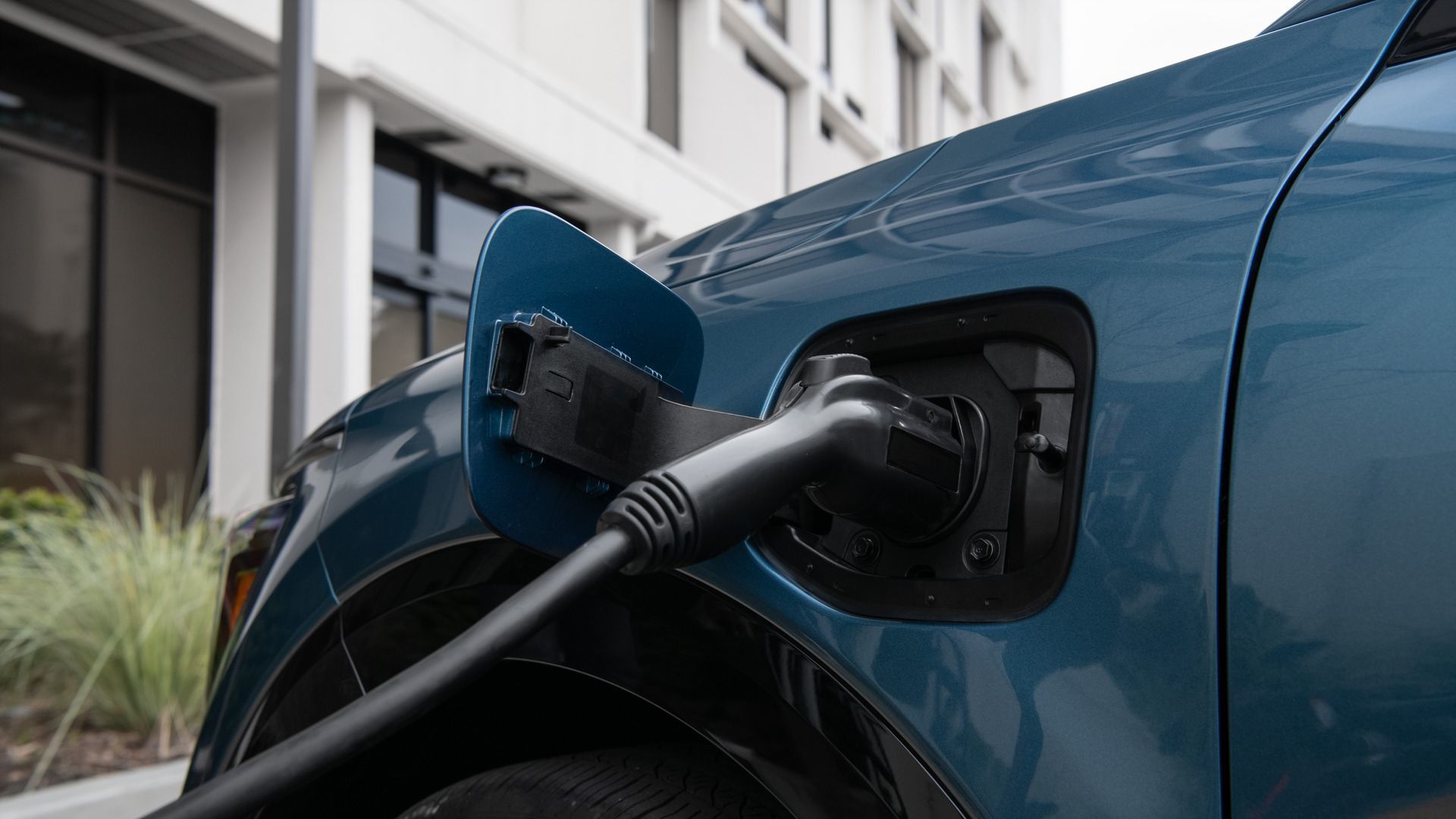
Yes, the Niro PHEV functions as a conventional hybrid when not plugged in. The gasoline engine and regenerative braking keep the battery charged enough to assist the powertrain, though you won't access the full 55 km electric range without external charging. This flexibility means you're never stranded if charging access is temporarily unavailable.
However, regular plug-in charging maximizes fuel savings and reduces emissions. Drivers who charge overnight at home or at work can complete most daily trips on electric power alone. The maximum driving range of up to 781 km ensures long-distance capability regardless of charging frequency.
What Factors Affect Real-World Electric Range?
Temperature significantly impacts battery performance. Cold weather reduces electric range as the battery works harder to maintain optimal operating temperature. Cabin heating also draws power from the battery in electric mode. Warm weather generally supports better range, though excessive heat can require battery cooling.
Driving style plays a key role. Aggressive acceleration depletes the battery faster than smooth, gradual speed increases. Highway driving at sustained high speeds consumes more energy than stop-and-go city traffic, where regenerative braking helps recover charge. The Kia Connect smartphone app includes remote start and cabin pre-warming features, allowing you to condition the interior while plugged in, preserving battery range for driving.
How Do I Maximize Electric-Only Driving?
Charge the vehicle overnight to start each day with a full battery. Plan routes to include charging opportunities at work, shopping centres, or public stations if your daily distance exceeds 55 km. Use the Niro PHEV's connected car services to monitor charge status and schedule charging during off-peak electricity rates.
Activate regenerative braking to its highest setting in city driving. This maximizes energy recovery during deceleration and extends electric range. Pre-condition the cabin while plugged in during extreme temperatures to reduce battery drain during the drive. These strategies help you spend more time in zero-emissions mode without changing your daily routine.
Experience the 2026 Kia Niro PHEV at Plaza Kia
The 2026 Kia Niro PHEV's 55 km electric range, combined with its extended 781 km total driving capability, offers practical electrification for Ontario drivers. Understanding how to optimize electric-only driving helps you reduce fuel costs while maintaining the flexibility of a gasoline backup.
To learn more about the 2026 Kia Niro PHEV, visit Kia.ca