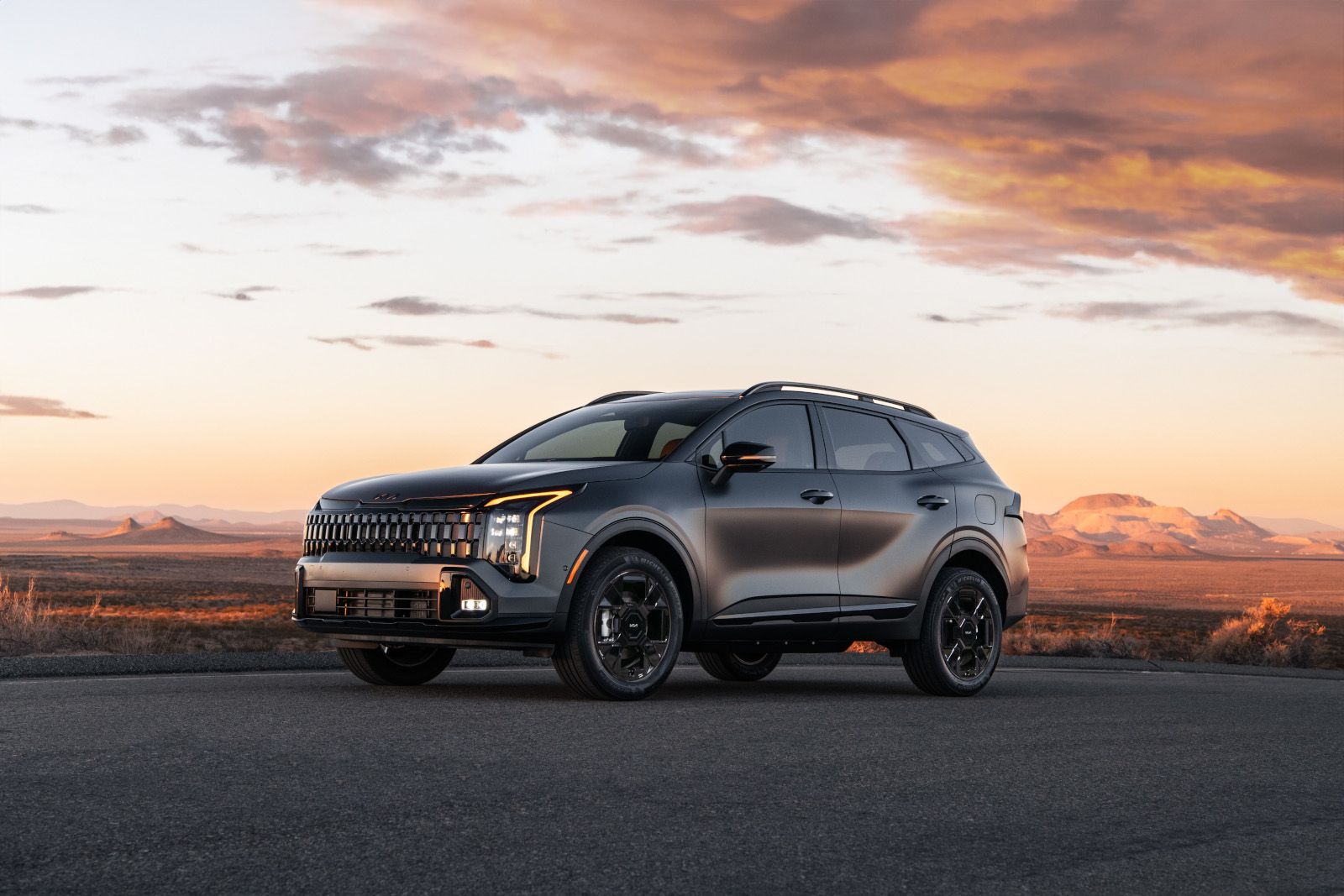
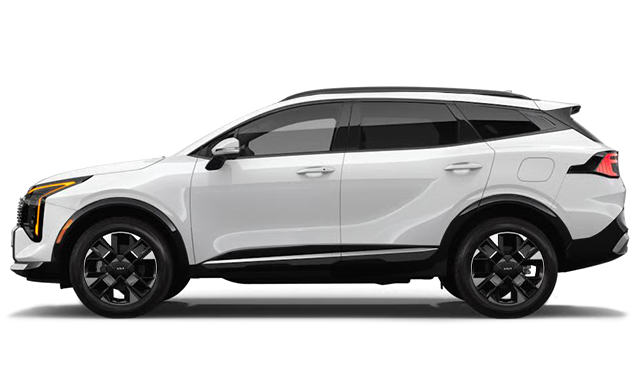
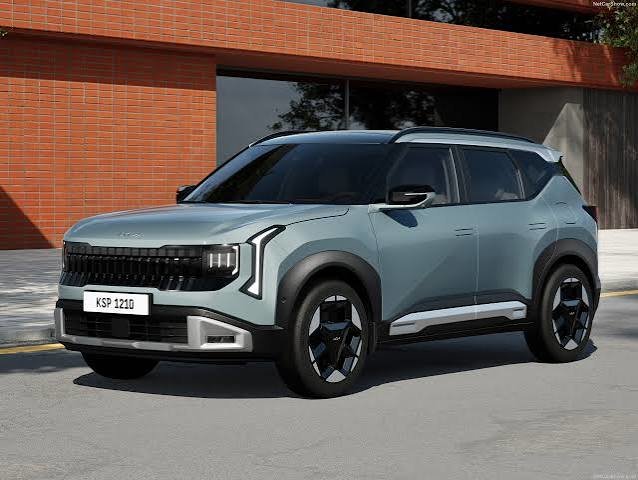
Both the 2026 Kia Sportage HEV and the 2026 Kia Sportage PHEV start from the same platform — the same AWD-standard compact SUV, the same 6-speed automatic transmission, the same 1.6-litre turbocharged GDI engine at the core. But the way each handles its electric component is fundamentally different, and for drivers in Richmond Hill making the decision between them, that difference determines which one fits their actual daily life.
This comparison goes through both powertrain architectures spec by spec, maps their cargo differences, and lays out the specific scenarios where each one earns its place.
At a Glance: HEV vs. PHEV
|
Specification
|
2026 Sportage HEV
|
2026 Sportage PHEV
|
|
Engine
|
1.6L Turbo GDI + 47.7 kW electric motor
|
1.6L Turbo GDI + 72 kW electric motor
|
|
Combined horsepower
|
232 hp
|
268 hp
|
|
Combined torque
|
271 lb-ft
|
271 lb-ft
|
|
Transmission
|
6-speed automatic
|
6-speed automatic
|
|
Drive type
|
AWD standard
|
AWD standard
|
|
All-electric range
|
None — no plug-in capability
|
53 km
|
|
Combined fuel economy
|
6.7 L/100km
|
2.8 Le/100km (gas + electric)
|
|
Fuel tank
|
52 L
|
42 L
|
|
Battery
|
270V / 64 kW (discharge)
|
360V / 88 kW (discharge)
|
|
Towing capacity
|
2,000 lbs (907 kg)
|
2,000 lbs (907 kg)
|
|
Cargo behind 2nd row
|
977–1,119 L (dual-level floor)
|
977 L (raised floor only)
|
|
Cargo behind 1st row
|
1,852–2,087 L
|
1,855 L
|
|
Trim lineup
|
EX, EX Premium, SX
|
EX, EX Premium, SX
|
The HEV: 6.7 L/100km Without Plugging In
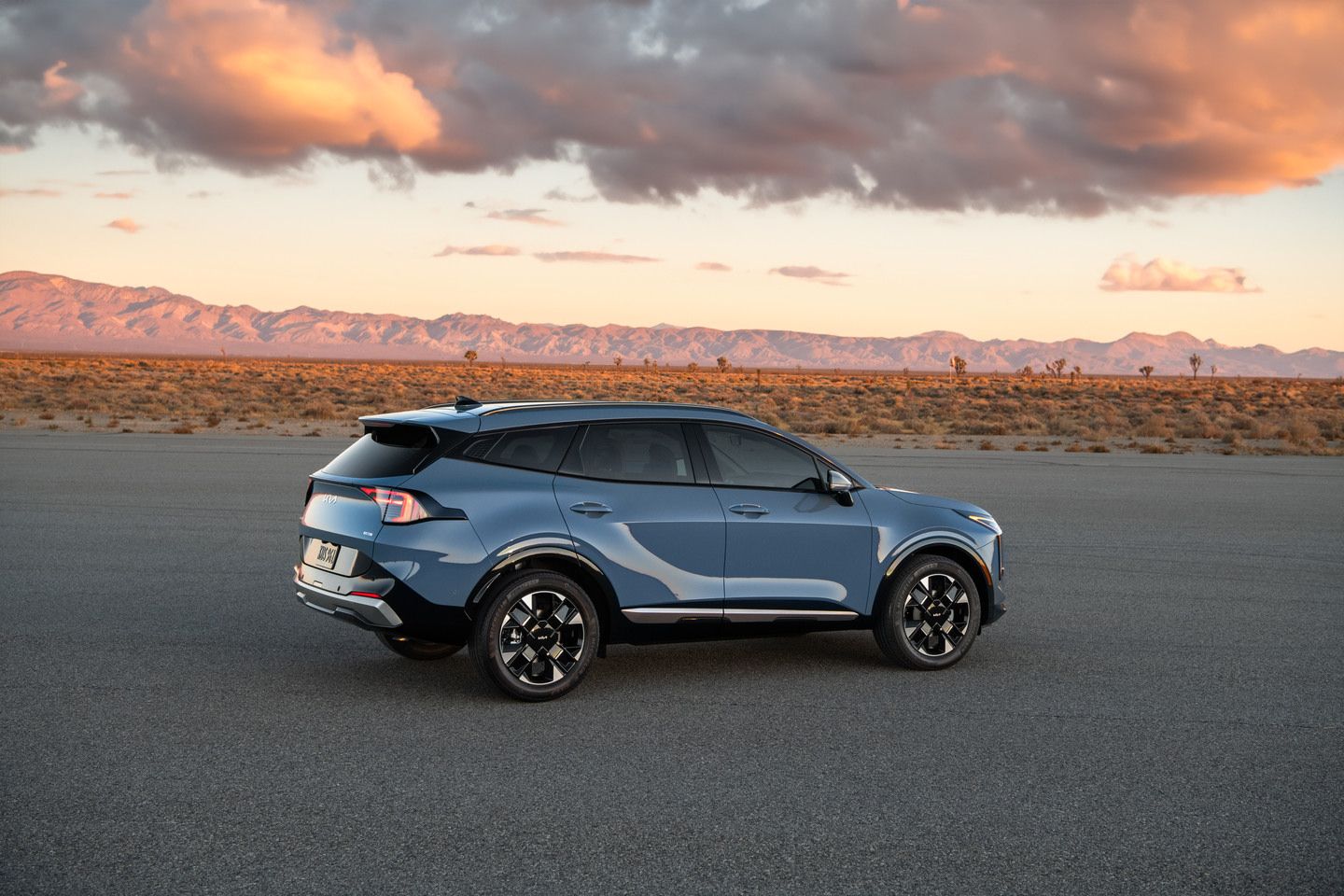
The Sportage HEV is a self-contained hybrid — there's no plug, no charge port, and no need to think about charging infrastructure. The 47.7 kW electric motor assists the 1.6-litre turbo engine automatically based on driving conditions, recovering energy through regenerative braking and deploying it to reduce fuel consumption. The driver doesn't manage any of this.
The result is a confirmed combined fuel economy of 6.7 L/100km — city 6.7 / highway 6.6 — across the full Sportage HEV lineup. That's the number in every driving condition, whether or not you have access to a charger at home or at work.
The HEV also holds a meaningful cargo advantage over the PHEV. Its dual-level cargo floor — standard on HEV, not available on PHEV — allows the floor to be positioned at two different heights, giving drivers more flexibility for loading taller items or creating a flat surface flush with the folded rear seats. With the floor in the lower position, cargo behind the second row reaches 1,119 L. The PHEV, with its battery pack under the floor, is fixed at 977 L behind the second row. That's a 142 L difference — notable if cargo volume is a regular priority.
HEV Cargo Quick-Scan:
- Behind 2nd row (floor raised): 977 L / (floor lowered): 1,119 L
- Behind 1st row (floor raised): 1,852 L / (floor lowered): 2,087 L
- Dual-level cargo floor standard on HEV
The PHEV: 53 km of All-Electric Range for Daily Driving
The Sportage PHEV adds a 72 kW electric motor and a 360-volt, 13.8 kWh lithium-ion polymer battery. When the battery is charged, it delivers an estimated 53 km of all-electric range — enough to cover most weekday commuting and local errands in Richmond Hill without using any gasoline at all. When the battery is depleted, the 1.6-litre turbo engine takes over for the remainder of the drive.
The PHEV also produces more power in its combined output: 268 hp versus 232 hp on the HEV — a 36 hp difference that results from the larger 72 kW motor. The larger motor also draws more from the battery, which is why the PHEV's traction is stronger in electric-priority mode.
The tradeoff is the cargo floor. Because the PHEV battery sits beneath the cargo area, there's no dual-level floor option. The cargo floor is fixed, limiting the behind-second-row capacity to 977 L regardless of how the space is arranged.
For drivers who can plug in at home or at work — and whose daily driving stays consistently within 53 km on electric — the PHEV's operating costs on electricity are substantially lower than either a gasoline car or the HEV. The combined gasoline-and-electric cycle comes in at 2.8 Le/100km. That number only materializes when the battery is being regularly recharged.
Which Powertrain Fits Which Household?
The HEV earns its place when:
- You don't have reliable access to a Level 2 charger at home or work
- Cargo flexibility matters — the dual-level floor is a genuine functional advantage
- You want consistent fuel economy without managing charge states
- Your driving pattern varies significantly day to day (both short and long-distance)
The PHEV earns its place when:
- You have home or workplace charging available and will use it daily
- Your weekday driving stays within 53 km most days — the kind of Richmond Hill commute that electric range covers fully
- Maximum power output matters — 268 hp versus 232 hp is a real difference under load
- Long-term fuel savings on electricity are a priority, and your second vehicle or occasional rental covers longer trips
The PHEV doesn't earn its premium on the spec sheet alone — it earns it in practice, through daily plug-in habits. For a household with a Level 2 charger at home and a predictable commute, the economics shift decisively in the PHEV's favour over time. Without consistent charging, the HEV's straightforward 6.7 L/100km and greater cargo flexibility are the stronger argument.
Explore Both at Plaza Kia
Both the 2026 Sportage HEV and PHEV are on the lot at Plaza Kia in Richmond Hill. Ask our team to walk you through both configurations side by side, and bring your actual commute distance so we can show you exactly how the 53 km electric range stacks up against your daily drive.
To learn more about the 2026 Kia Sportage HEV, visit Kia.ca